For gas chromatographers, dealing with high temperatures is routine. One of the most common questions we have received from customers is: What is the maximum temperature a GC column can reach?
In this technical tip, we will cover extensively this topic, but let’s take a step back and start from the basics.
All columns and stationary phases have a specific temperature range over which they are stable and functional for extended periods of time.
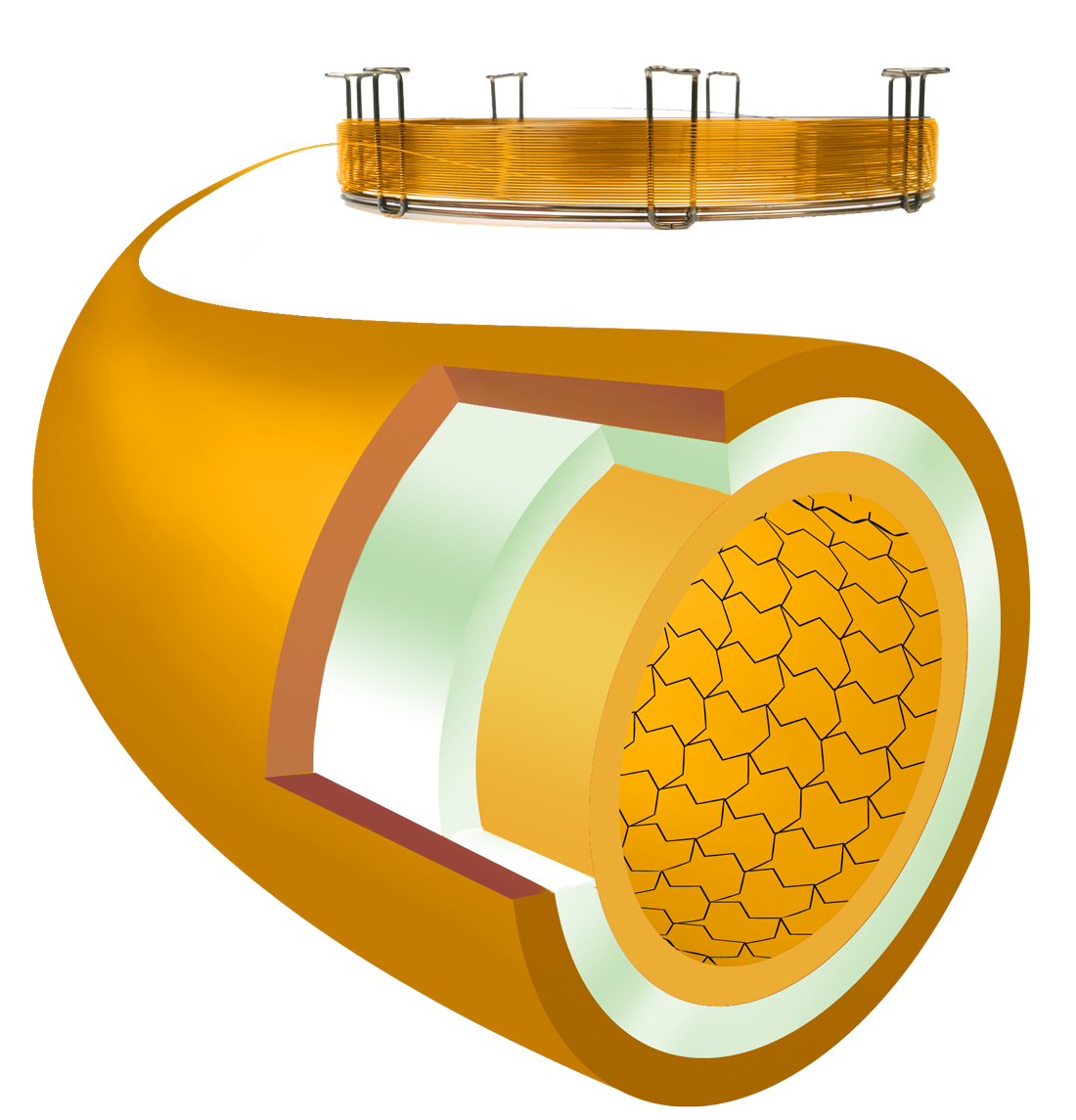 This range usually defines the temperature limits for a capillary column, but may change with the phase, the nature of the capillary tubing used, the film thickness. Usually the Temperature limits are printed on a label in the outer box or are printed on the metal label on the cage or in the QC certificate. If you are not able to find them, and you are not sure what the limit of your column is, please ask directly to us, your technical sales consultant.
n.b. Exceeding the temperature limits may lead to permanent damage to the column and loss of performance.
The upper temperature limit is usually made by two numbers (e.g., 340/360 °C). Sometimes, there may be a single number.
The first temperature is called the maximum isothermal temperature. This is the highest temperature that the column can be exposed to for an extended amount of time. The second temperature is called the maximum program temperature. The column can be left at this temperature for approx. 10 minutes. Exceeding the upper temperature limits results in damage to the stationary phase. Slight overexposure of the column to excessive temperatures does not result in the instant destruction of the column. In most cases, this exposure will decrease column performance. The amount of performance loss is dependent on the temperature, the duration of the exposure to the High Temperature, the stationary phase, and the amount of oxygen present in the carrier gas. Greater damage occurs with longer exposure times, larger temperature excesses, higher oxygen concentrations, and a lack of carrier gas flow.
Within the maximum temperature limits, columns usually have also a minimum temperature limit (i.e. -60°). Below the lower temperature limit, the stationary phase loses its chromatographic properties. If the column is below its lower temperature limit, the peaks become broad but no permanent damage is observed, the peaks regain their shape when the column is heated back above the lower temperature limit. Cryocooling a column to focus a sample at the front of the column does not damage a column. Separation characteristics return back to the normal performance as soon as the column heats up beyond its lower limit. At temperatures below –60 °C, some brittleness of the fused silica tubing may be experienced.
Look out for our next tip where we contiune to answer this question...